Los Angeles Retail, Hospitality, Tourism, Culinary, and Fashion Initiative (Phase One)
The Los Angeles Retail, Hospitality, Tourism, Culinary, and Fashion project (LA RHTCF) provides a pipeline of skilled managerial candidates to industry. It not only bolsters their socioeconomic advancement but also enriches their career trajectories within the LA Region. Participants in this project undergo comprehensive training, culminating in the attainment of an academic certificate that incorporates valuable work-based learning experiences.
P1 LA RHTCF Initiative
College Partners








Supporting Partner
Purpose
The P1 LA RHTCF Initiative aims to address workforce gaps in the retail, hospitality, tourism, culinary, and fashion industries in Los Angeles by creating pathways to family-sustaining careers. At the heart of this effort is the First-Time Manager Certificate, a program designed to equip workers with essential managerial skills and prepare them for advancement. The initiative fosters regional collaboration between colleges and employers to align training with industry needs, supporting economic growth while empowering workers to achieve upward mobility.
-
Design training and certification programs, such as the First-Time Manager Certificate, to align with industry needs and fill workforce gaps.
Provide workers with the skills and credentials needed to secure managerial roles and advance their careers in high-demand industries.
Create accessible pathways to career advancement, prioritizing support for displaced, underemployed, and incumbent workers from diverse backgrounds.
Collaborate with colleges, employers, and industry leaders to align training efforts with real-world labor market demands, fostering sustainable career pipelines.
-
Displaced, underemployed, and incumbent workers interested in working in retail, hospitality, tourism, culinary, and fashion industries.
-
Thirteen Community Colleges within the Los Angeles Community College District
Faculty Members and Academic Leadership
Work-based Learning Partners collaborating with the colleges
Employers located in the Los Angeles Region
-
Enhanced Career Readiness: Workers equipped with the First-Time Manager Certificate gain the skills and credentials needed for managerial roles in the Retail, Hospitality, Tourism, Culinary, and Fashion sectors.
Pathways for Displaced and Underemployed Workers: Provided accessible, industry-aligned training to help workers advance into family-sustaining careers.
Industry Collaboration: Strengthened partnerships between colleges and employers to align workforce training with regional labor market needs.
Equity and Inclusion: Promoted opportunities for diverse and underrepresented populations, addressing workforce disparities and creating equitable career advancement pathways.
Key Components
DACUM Process (Developing A Curriculum)
Collaborative curriculum development with industry stakeholders to ensure training aligns with the skills needed for first-time managers.
Work-Based Learning Opportunities
Practical learning experiences through cooperative education programs, allowing workers to apply classroom knowledge in real-world settings.
Regional First-Time Manager Course & Certificate
A certificate program equipping workers with management skills through regional success training, industry-aligned coursework, and hands-on cooperative education opportunities.
Collaborative Academia-Industry Partnerships
Partnerships between colleges and industry leaders to strengthen workforce pipelines, align training with market demands, foster engagement, and create sustainable career pathways.
Regional Curriculum Development
Regional collaboration among colleges through the Faculty Advisory and Curriculum Committees to design and refine the curriculum for the certificate.
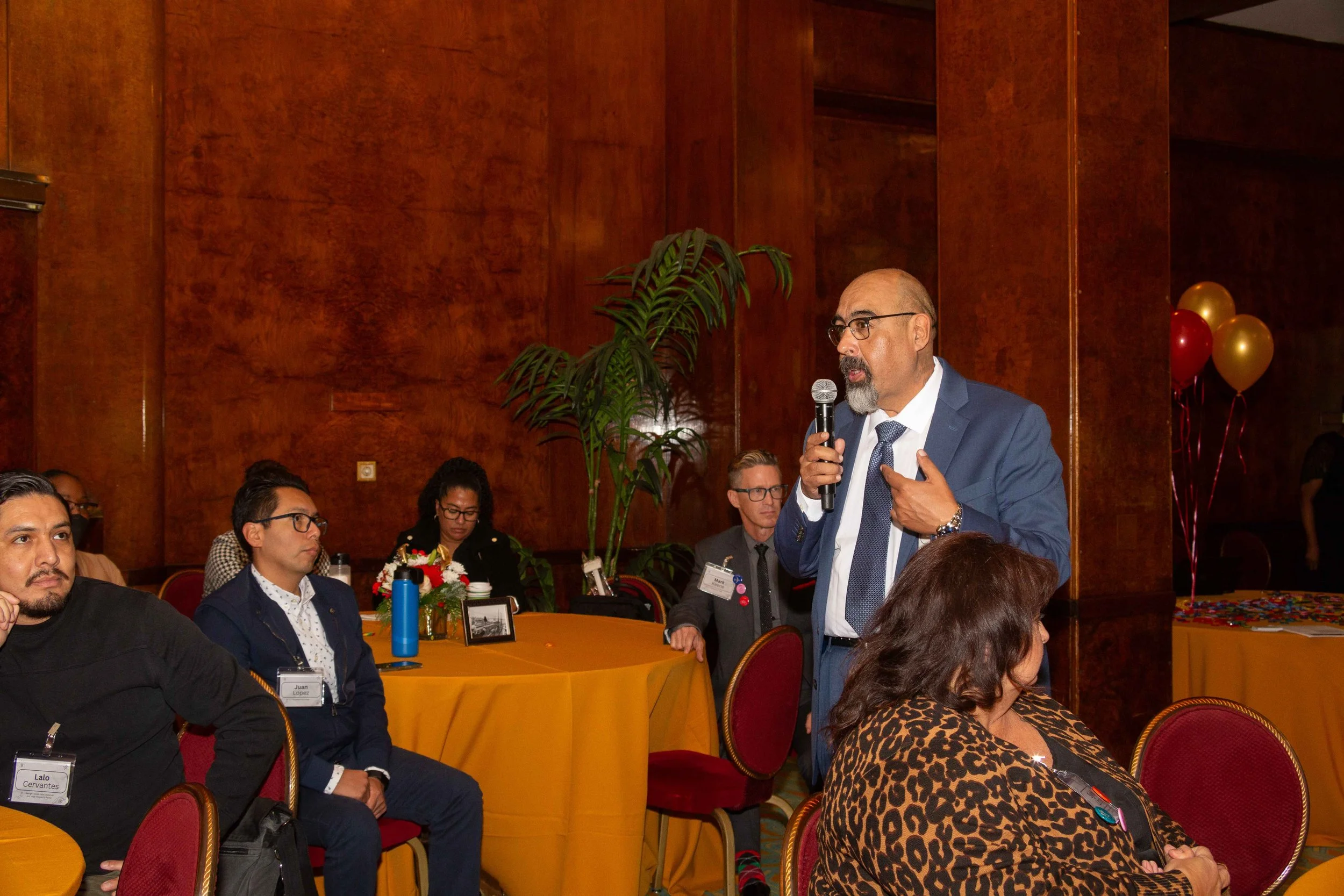
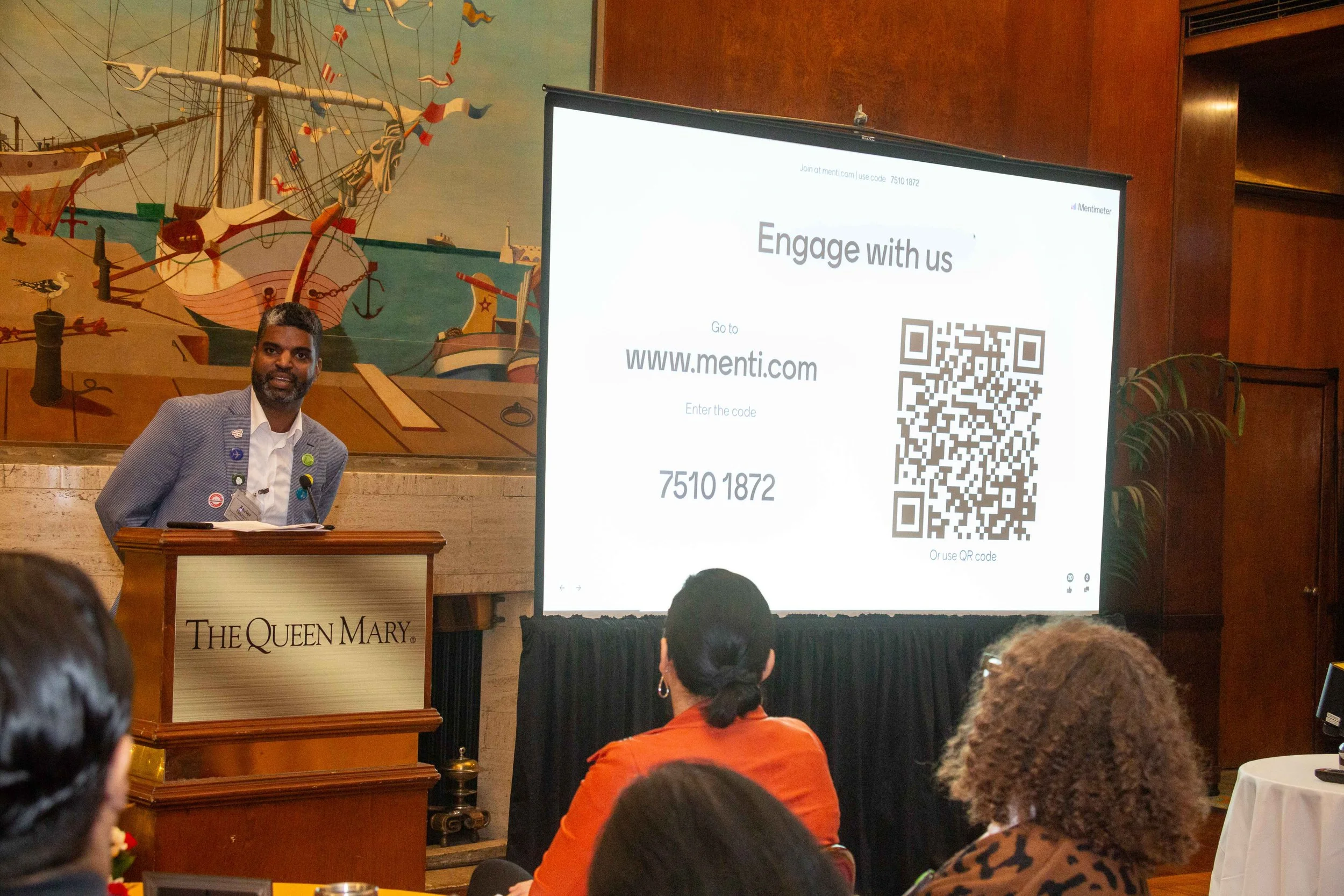
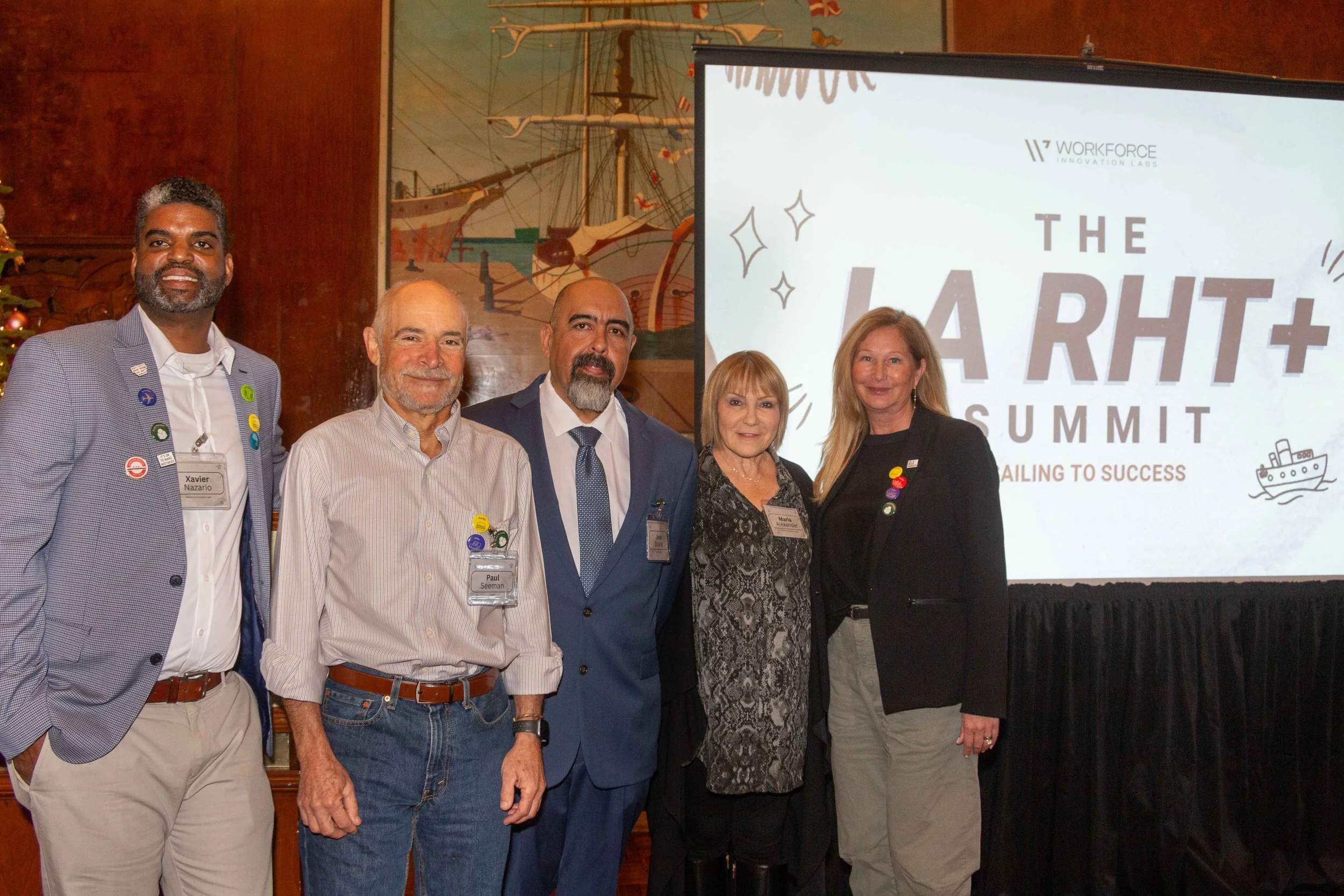
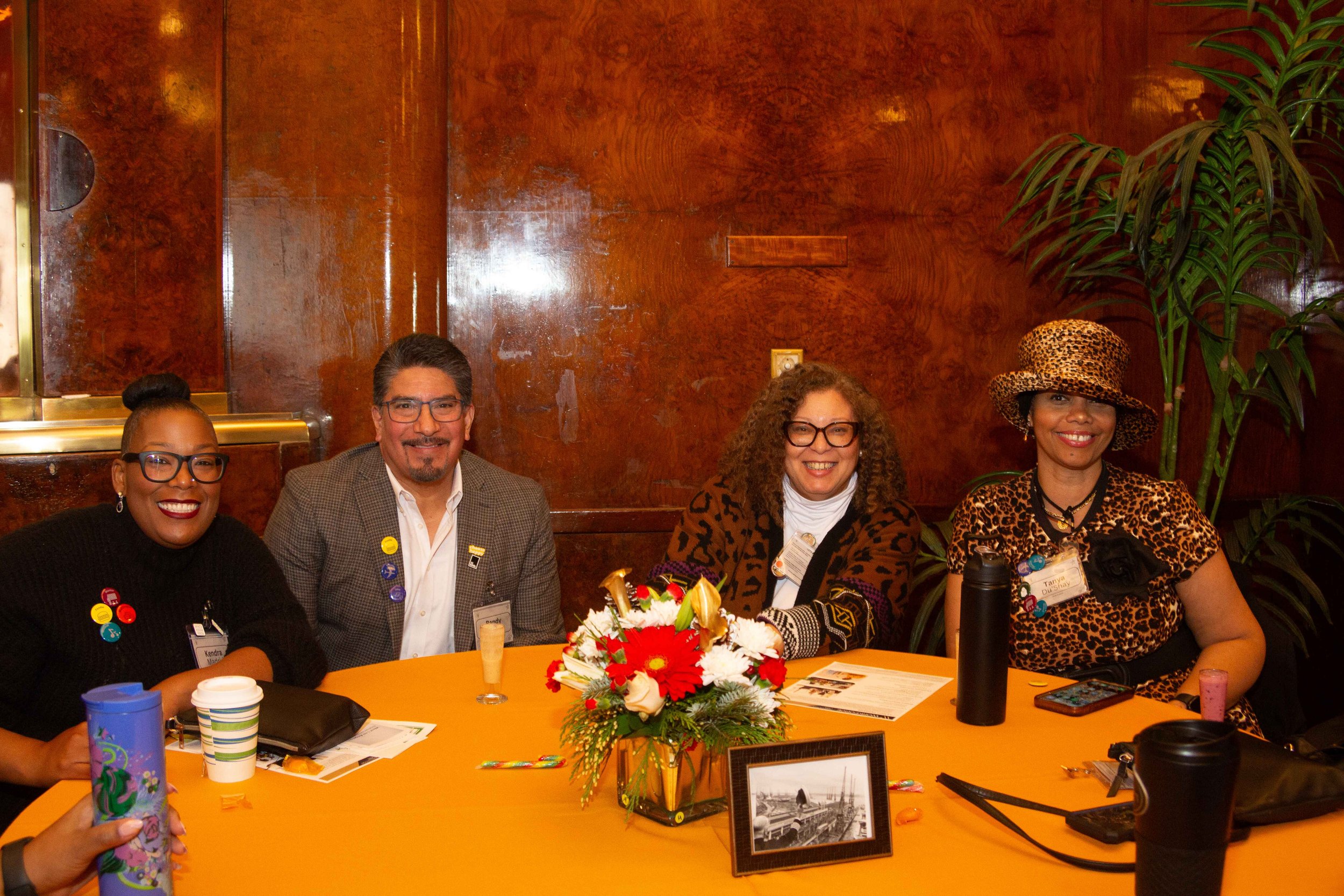
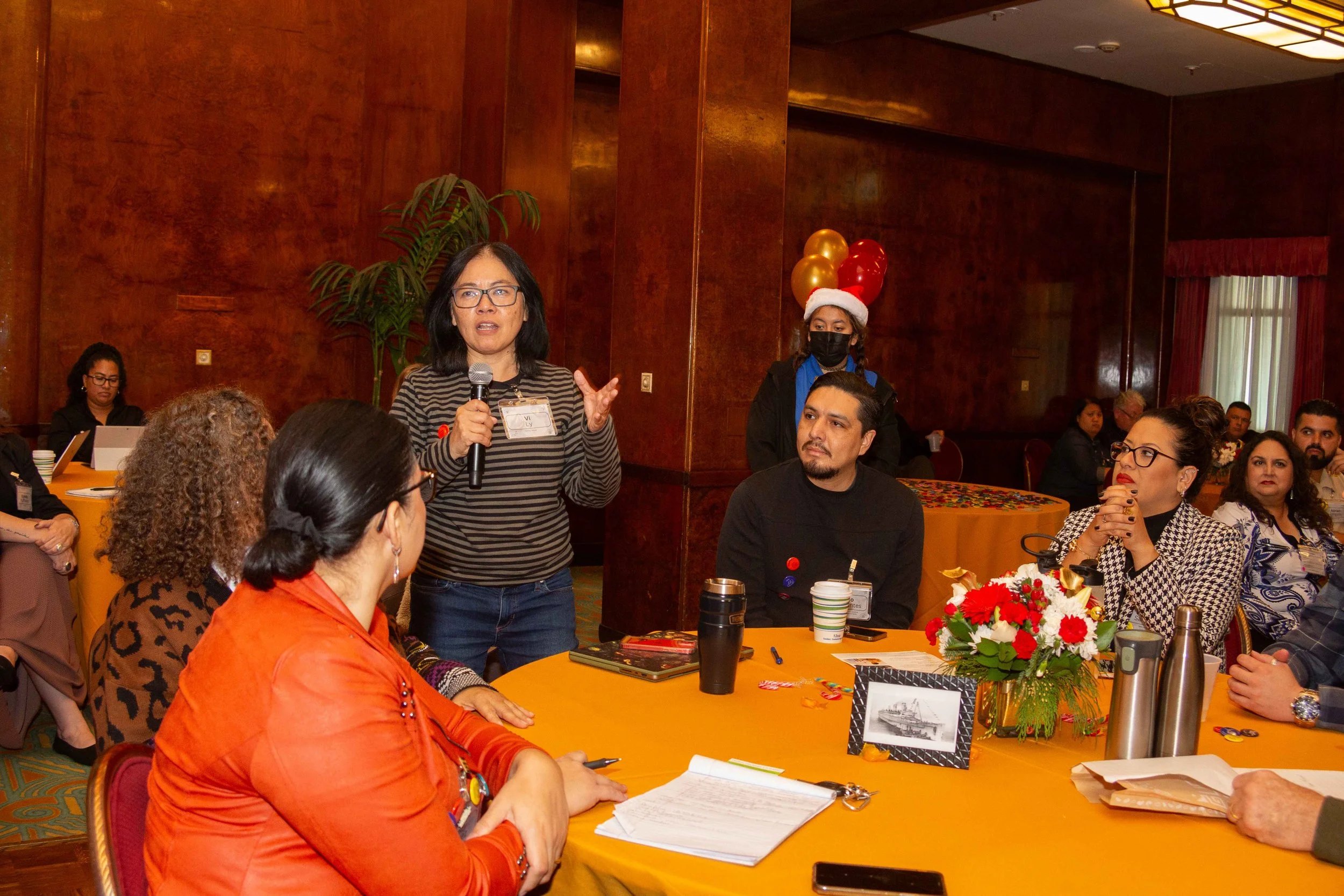
LA RHTCF Industry Summit
A convening of industry leaders and educators to discuss workforce challenges, share insights, and promote collaboration for innovative workforce solutions.
Certificate Overview
Title: Success Skills for the First-Time [INSERT SECTOR] Manager Certificate

Why This Matters
The P1 LA RHTCF Initiative addresses workforce challenges by preparing workers for managerial roles, advancing careers, and meeting labor needs in key industries. Focused on equity, it provides underrepresented workers access to family-sustaining jobs, fostering growth and inclusivity. Through industry-aligned training and college-employer partnerships, it strengthens the region's economic resilience.